%2520(3).avif)
Monday, October 12, 2026

Anodised aluminium: The sustainable choice for rainscreen cladding
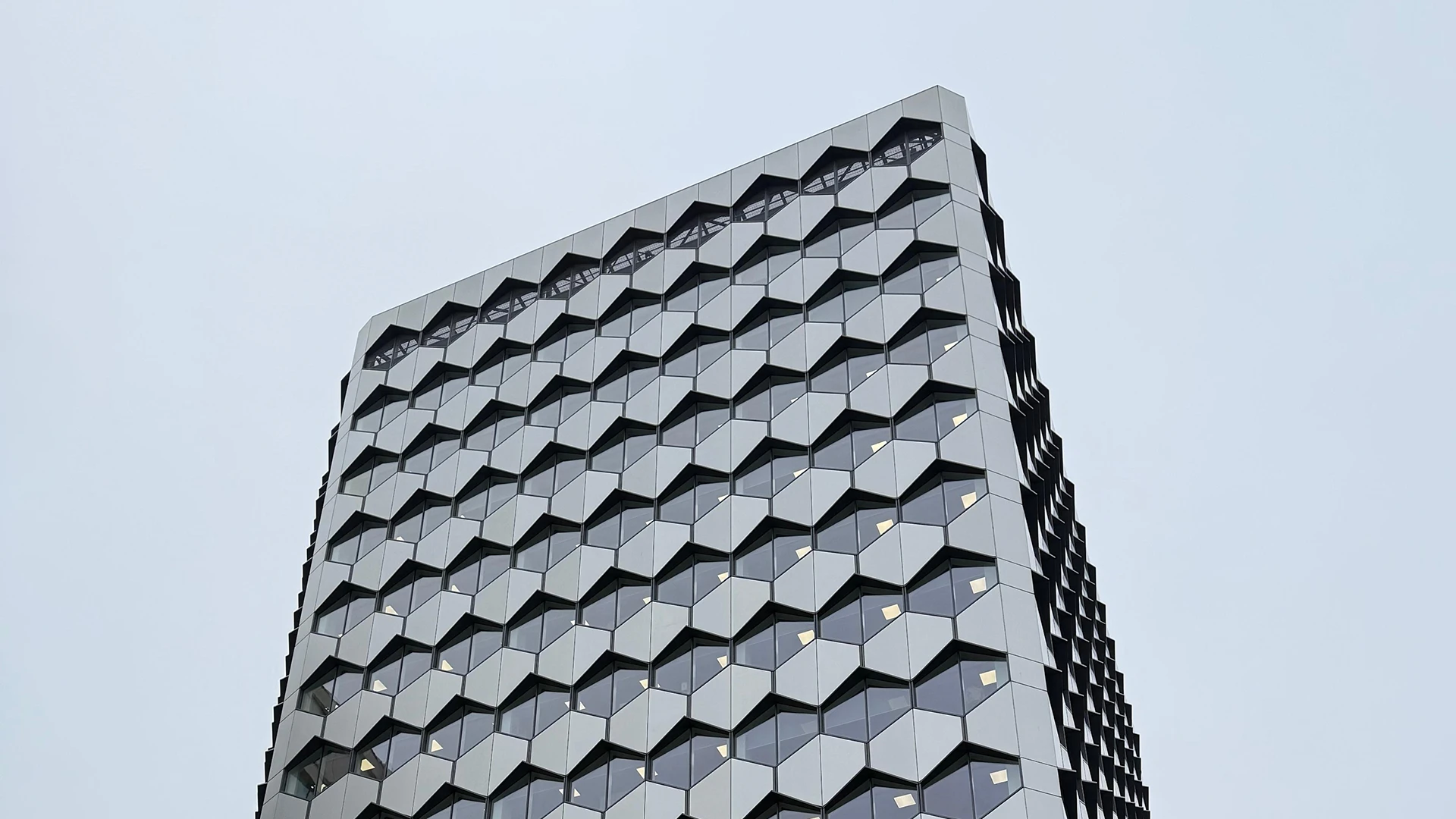
It’s no longer enough for a rainscreen cladding façade to look good and offer superior performance. It also needs to be sustainable for the lifespan of the building. There are many façade types and finishes you can choose from, but an anodised aluminium design offers a range of sustainability benefits which can contribute towards making your next scheme more environmentally friendly across the lifecycle of the building.
Impressive durability that makes the façade last longer
One of the most impactful things you can do to improve the sustainability of a building is choose materials which are long-lasting without loss of performance. Anodised aluminium provides this durability in a number of ways.
It is resistant to all types of corrosion, including filiform corrosion allowing it to thrive in all conditions including wind, rain, UV and harsh marine environments. The finish is also resistant to scratches and other abrasion because the aluminium can repair itself through natural oxidation if it is punctured or damaged.
There is also no risk of adhesive failures such as blistering, peeling, cracking, splitting or chipping common to coated finishes. That is because the finish is integral to the metal and there is no adhesive layer to fail.
Together, those durability benefits ensure that anodised aluminium is an extremely long-lasting choice. Independent inspections commissioned by United Anodisers have confirmed our anodic protection remains undiminished after more than 40 years with only minimal maintenance and cleaning required.
Learn more about the durability of anodised aluminium here.
Complete recyclability at end of life
Sustainable construction is about more than just choosing durable products. The materials you use also need to be easily recyclable and reusable at the end of their lifespan in order to be truly sustainable. Aluminium is a perfect material to satisfy this requirement and can contribute to a more environmentally friendly project.
Research from the Aluminium Federation shows that almost 100% of aluminium is recyclable. In construction specifically, 95-98% of aluminium used in buildings is recycled at the end of the building’s life. Best of all, when aluminium is recycled, it uses 95% less energy to turn into a new ingot than it would to create the same amount of the metal from scratch[1].
With anodised aluminium, there are no concerns about the finish. Unlike powder coatings, the finish is integral to the metal rather than additive-based, so you can recycle it along with the rest of the metal.
Learn more about the recyclability of Pure Aluminium.
A1 fire rated façades
Finally, sustainability means resilience in all cases. Our anodised aluminium finishes are A1 fire-rated, making them one of the best and safest solutions for the construction and building sector in exteriors, facades, cladding, and extrusions.
A building which is more resistant to fire is more sustainable throughout its lifecycle. This feature is especially important in the post-Grenfell era as regulations have tightened and materials must now meet higher standards of fire safety, especially at Gateway 2.
Learn more about our A1 fire rated finishes here.

Anodised aluminium is the sustainable choice
Choosing anodised aluminium for your rainscreen façade is a sustainable choice for three key reasons – its durability, its recyclability and its fire resistance. Want to learn more about how our finishes can make your next project more sustainable?
Contact the team today to find out more!
[1] https://alfed.org.uk/files/Fact%20sheets/5-aluminium-recycling.pdf
Get a free sample or ask a question
As a world leader in aluminium surface treatment, we offer expert guidance on selecting the right metal and anodising process for panels and sheets.
More news & insights
Stay up-to-date with the latest company news and industry insights.